Monday, October 30, 2017

5 Big Cities for Every Type of Person:

So you’re ready to set foot on your next adventure—but where to? Whether you’re moving from San Jose for a career in technology enterprise or to enjoy the stillness of nature, Mont-Rose Moving Systems knows why some of America’s best places to live can accommodate you. We’ve picked out five big cities that are all known for catering to people of all types. Check out our list and maybe you’ll find your next home here!
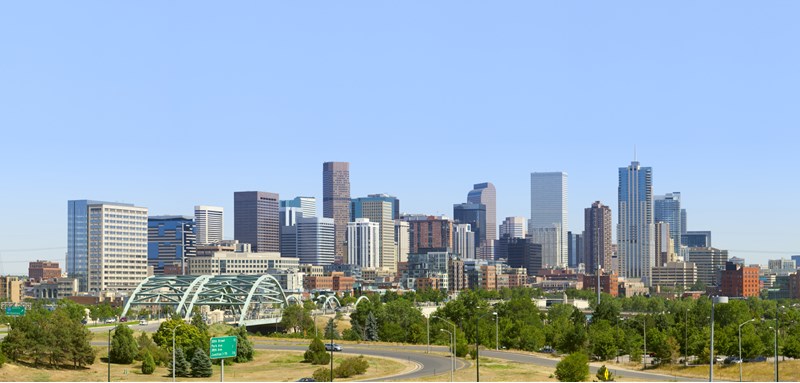
Denver, CO
The Outdoor Lover - Denver, CO
As one of the most active places in the nation, outdoor sports and nature lovers flock to Denver’s naturally varied geography. Whether it’s down-hill mountain biking, snowboarding, or hiking, with the Rocky Mountains right next door, the city is made for those looking for a little adrenaline.
Little Silicon - Dallas, TX
As one of the fastest growing cities in the country, Dallas is quickly getting the reputation as a second Silicon Valley. Many major tech companies as well as promising startups are making this city a modern metropolis without the San Fran price.
Musician’s Big Break - Nashville, TN
Known as “Music City” many aspiring musicians get their start in Nashville. Avoid paying the high costs of living in Los Angeles, hoping to be discovered, and instead opt for rising to fame through one of many of Nashville’s premiere music studios and recording companies.
Beach Goer - Tampa, FL
Californian beaches may be one thing, but nothing quite rivals the white sands of Florida. Beach and sun lovers travel to Tampa to bask on the sand, boat in the tropical waters, or even watch baseball. This city offers a more affordable option than the west coast.

Tampa, FL
Busy on Budget - Chicago, IL
Like New York without the bank-breaking costs, Chicago offers its residents great food, parks, museums and a thriving bar and club scene. People looking for the Big Apple vibe feel right at home in the “Windy City,” where a variety of big companies make their home and the cost of living is just right.
Wherever you choose to go, Mont-Rose Moving Systems can help you get there. Whether you’re moving from San Jose for personal or career reasons, we can accommodate you and your family of any size. Let us work with you to create a personalized moving plan to anywhere in the country. Chat with one of our moving specialists today or fill out our online quote form to get a free estimate!
TAGS:
 
SAN JOSE MOVING SERVICES 
RESIDENTIAL MOVING

Wednesday, October 18, 2017

Your Ultimate Guide To Transporting Your Car Safely:

Moving to a new city is an exciting feeling indeed, but when you think of all the things you have to leave behind, it turns into a scary thought especially when it comes to something as big as your precious car. Since a car is a big investment both emotional and financial, moving it with you to the new city is your best bet.
So here are 5 pointers to keep in mind to safely transport your car:
1. Personal items are a big no:
One aspect that is standard across all car carrier companies is the fact that it does not permit the shipping of any personal items along with the car. Personal items like documents, photographs, clothing or any other personal items are completely restricted while shipping. Before you send across your car to be shipped, a thorough check of whether you have left behind any personal items is essential.
2. Pre-wash is a must:
While shipping, dirt and dust are prone to settle on the car. A pre-shipping wash and clean will ensure your car is in a better condition throughout the shipping process. This also helps you get a clearer picture of the present damages and appearance of the car prior to it reaching the destination. This way if the shipping causes any visible damages to the car you can catch it a lot easier.
3. Know your insurance well:
Most people opt for car insurance prior to the transporting of the car. The most common insurances cover damages caused by third parties but the thing to look into is if the insurance covers shipment damages since you are well aware of the potential harms. However, in a premium insurance cover, this situation is covered as well due to the slight surcharge.
4. Record keeping = best friend:
Be mindful of every aspect of your car before you decide to ship it across to the place you are moving to. Note down every scratch, dent and part that is intact in the car prior to the shipping. Taking photographs of all sides and angles of your car will be an easy way to check on the damages (if any) after you send across your car.
5. Know your shipping package:
Different car carriers provide different packages for the safe transport of your car. Ensure that you know your package well and have read all the terms of the transporting deal. Find out whether the carriers provides a ‘door to door’ plan, where they pick up your car from your home and drop it to your residence in the city you are shipping it to.
For car enthusiasts everywhere, a car is just like a family member and leaving it behind when moving is just not an option. This is when opting for professional car carriers is the best option to go for. If you or someone you know is looking for the car carrier services, you can find them here.

Monday, October 16, 2017

Office Relocation Checklist:

Now that youve found a new location for your business, its time to get ready to execute the
move. For a commercial moving project, cost and time efficiency is everything. With the right planning tools, you can have a seamless, positive experience and start off a new, fruitful future the right way.

Six to Twelve Months Before: Office Relocation Point of Contact

Six to twelve months before you move, choose someone from your staff to be the go-to person for all things moving related. Create a master moving schedule together. If you have several people on the moving team, assign one person the duty of keeping it all together. When making this decision, consider someone who possesses the following qualities:
  • Great communicator/ works well with others
  • Adheres to budget restrictions
  • Organized
  • Multi-tasker
  • Has senior position standing
  • Motivator

3 to 6 Months Before: Your Office Relocation Budget

Relocating can be one of the most expensive endeavors your business can go through. Having a budget and clear understanding of where each dollar is going puts you in a much better position to get from point A to B smoothly.
Get your office relocation estimate at least six months prior to the move, and 3-4 months ahead, meet in person with your commercial moving team. By two months out, your moving company should be selected, and two to three weeks to the official moving date, complete a walk-through with the chosen moving team.

1 to 2 Months Before: Commercial Moving Transition

Theres a number of moving parts (pun intended) when it comes to moving your office to a new location. In the hustle and bustle of things, its easy to forget whats pending on the list. Once you and your go-to moving team or person have come up with a plan, write it down for safe keeping and refer to it periodically over the course of the six months prior to the move.
Here are a few things to consider:
  • Schedule all utilities to be cut off and turned on at new location
  • Update the address on business cards, email signatures, stationery and other materials
  • Make any necessary new purchases
  • Confirm details with your moving company
  • Contact any suppliers and/or customers
If your office is relocating, dont hesitate to call Nor-Cal Moving Service for a price quote or fill out the simple form on our website.
TAGS:
 
OFFICE RELOCATION 
SILICON VALLEY COMMERCIAL MOVING

Sunday, September 10, 2017

USING PACKING PAPER FOR A MOVE:

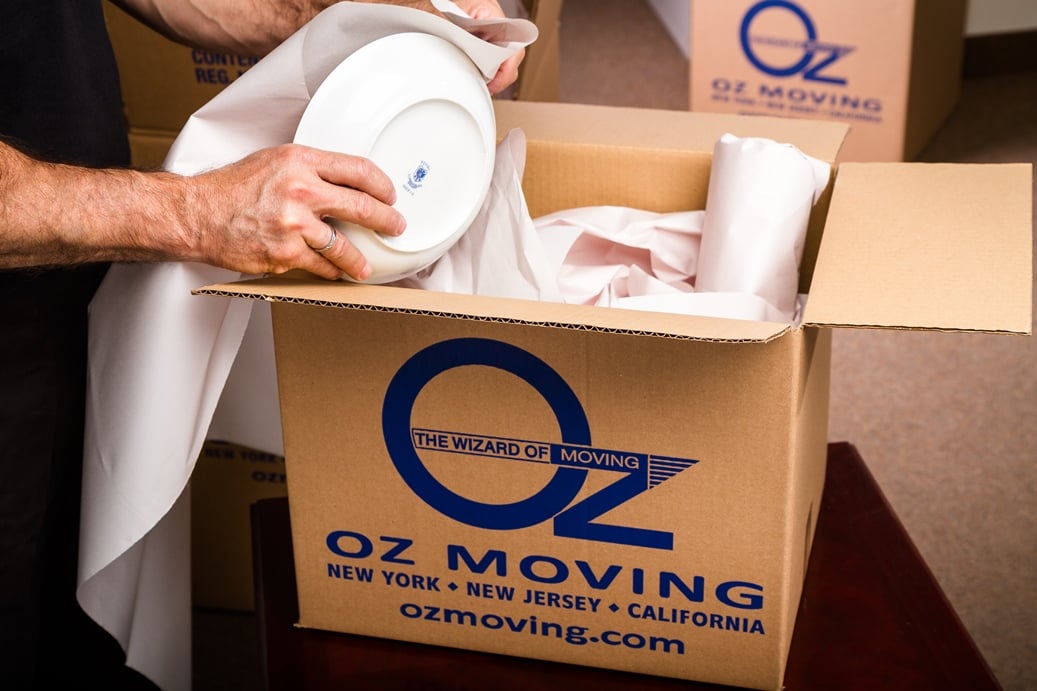
Packing paper is one of the most useful resources anyone that is moving can ask for. Paper proves most useful in protecting fragile items from breaking during a move. Anyone moving can utilize packing paper’s recyclability and flexibility too. Here’s how to use packing paper during your next move.

WHY DO I NEED PACKING PAPER?
Packing paper fits the needs of so many people when they move. Also known as newsprint, the clean, unmarked packing paper is ideal for wrapping and packing scratchable and breakable items like plates and dishes. Packing Paper also proves more versatile than bubble wrap used in many of the same situations.  Packing paper is easier to squish and fill spaces with in boxes than nearly any other packing materials, to make sure nothing inside the box shifts. Packing paper is also easier to handle than most other materials and is completely recyclable.
packing paper

HOW MUCH PACKING PAPER DO I NEED?
Oz’s formula for buying packing paper is one pound of tape per cubic foot of your moving box. This should give plenty of buffer room for all of your items in each of your moving boxes. For fragile items, make sure to add extra paper, and make sure your boxes with these more breakable items are less congested.

packing paper wrapping dishes

HOW DO I USE PACKING PAPER?
There are two main ways to use packing paper. One use is to wrap items in paper as if they were gifts, for a layer of protection all around these items. The other use is as a buffer, crumpled up around other items in the boxes.
    • Plates are packed much like other items are packed with packing paper. First, they should be wrapped individually. Afterwards, they can be put into a sturdy enough moving box which should otherwise be filled with packing paper to act as a buffer.
    • Glassware is generally packed conventionally as well. After being wrapped in packing paper, glassware should be laid down in a moving box. Generally, glassware will be amongst the lighter items in a moving person’s inventory, and lighter items should go on top of heavier items when packing moving boxes.

Wednesday, August 23, 2017

Summer months increase the risk of wildfire damage across the United States:


The summer months of the year mean bonfires, fireworks, and an increase in the use of various motor vehicles for people across the country as they enjoy the hot weather. However, with the increase in temperatures drying out certain areas, this can become an extremely hazardous time, and can lead to one of nature’s most destructive events – wildfires.
Each year, you can find a story somewhere in the country about a wildfire that has spread rapidly in a rural area, causing extensive damage to everything it its path. Forests, farm lands, and homes can all be burned up in an instant, putting people’s lives in areas of wildfires at serious risk.
At first thought, it might seem that wildfires are more prevalent in desert areas along the western region of the country, but they are actually a threat everywhere coast to coast. According to the Insurance Information Institute, the five states that experienced the most wildfires in 2016 were Texas, California, Georgia, North Carolina, and Alabama.
“Ironically, it’s somewhere around 70 percent of the wildfires occur east of the Mississippi River,” said Tom Welle, the manager of the Wildfire Division for the National Fire Protection Association in Denver, Colo. “They tend to be smaller, but that doesn’t mean they are less dangerous. The ones that hit he news are big, thousand acre fires in the West, and those happen regularly. In the East, we get a lot of wildfires, but because of the concentration of people, you can have a smaller wildfire that puts a lot more houses and people at risk.”
The National Fire Protection Agency is a nonprofit organization that has been around since 1896, with their primary mission being to eliminate death, injury, and property loss from fire, electrical, and other hazards. One of their main areas of focus is wildfires, and they look to provide people with the proper knowledge to avoid starting them, and remain safe when they happen.
“In the wildfire space, what we primarily do is work with residents through the state forestry organizations, teaching them how to make their homes more ignition resistance – we try to keep homes from burning down,” Welle said. “There’s a lot people can do to keep their houses from burning down in a wildfire. It’s stuff that they can do themselves.”
The problem of wildfire is an issue that continues to rise, and finding the right resources to stop them in an efficient way is a challenge for Welle and NFPA. According to Welle, 90 percent of homes that are effected by wildfires are completely destroyed, and each year, we are losing more civilians and firefighter lives to the fires.
What is causing these wildfires to start? A variety of factors come into play, but it’s generally humans who lead the way.
“Nationally, I think it’s in the 80th percentile range that are human-caused, and there are a variety of those causes,” Welle said. “A great many of them occur in the Southeast, because they tend to do a lot of burning. People burn their brush or their trash and don’t pay attention to the weather conditions, and the burn will get away from them.”
Other factors that play a big part in the start of wildfires are people lighting off fireworks, starting campfires, and arson. Often times its fires that are intentionally lit, but accidentally get away from people and become dangerous.
If you find yourself in a situation where you can see a potential wildfire developing, it’s important to act quickly and efficiently to ensure that the fire doesn’t spread out of control and become deadly. One instance of reacting quickly occurred in Albuquerque, N.M., where two movers from the international moving company TWO MEN AND A TRUCK® were able to stop a wildfire in a residential neighborhood.
Movers Sam Silsby and Elijah Salazar were completing a move on a hot evening on July 3, and noticed people at a nearby home in a commotion. The two saw a fire starting in the neighbor’s yard, and immediately called 911 before running over to help with the situation.
Wildfire
“The neighbor came running out of her house looking upset,” Silsby said. “She then said to us ‘there’s a fire in my backyard’. So we instantly sprang into action and thought of what to do.”
The two both had experiences in dealing with fire prior to this situation, and knew that time was critical if they were going to prevent the fire from growing.
“First, we tried using our fire extinguisher, but it wasn’t getting the job done,” Salazar said. “We then started covering it with dirt because smothering a fire will put it out. So, the plans we discussed were starting to work. We were just thinking that we need to get this fire out quickly or it could spread and cause serious damage.”
The quick thinking by the TWO MEN AND A TRUCK® employees enabled them to put out the fire before firefighters arrived on the scene, and potentially saved the lives of residents in the area. Welle applauded their decision to use dirt to smother the fire, and also mentioned how important it was that they immediately called 911.
“The smartest thing to do is call 911 or whatever the local emergency number is and be able to give them a good location of where the fire is. That is the best thing people can do,” Welle said. “If you’re not a trained fire fighter and don’t have the appropriate equipment, we don’t want to see anybody get hurt trying to do the right thing.”
To learn more about preventative measures for wildfires as well as other helpful information about all types of fire, be sure to visit the National Fire Protection Association website and use the resources they have available.

Tuesday, August 22, 2017

HOW TO THROW A HOUSE WARMING PARTY WITHOUT BREAKING THE BANK:

ou want your family and friends to enjoy your new home as much as you do—and a housewarming party is a great way to accomplish that. However, parties can be expensive after counting up the costs of invites, food, drinks, games, cleaning supplies and more.
The good news is your party doesn’t have to be lavish or expensive to be memorable. Instead of going the traditional route, which can be costly, save money using these simple ideas. In the end, you’ll throw a house warming party to remember without stretching your budget.
Use E-Invites or Facebook
To keep your party classy, you’ll want to send formal invites. But doing paper invites is expensive and time-consuming. Save both time and money by doing e-invites instead. There are a wide variety of websites that allow you to create custom invitations for little to no cost. Be sure to add photos of your new place along with whatever games, food, and drink that will be there.
If you don’t want to be that formal, create an event on Facebook. Nearly everyone is on Facebook and it will take less than 10 minutes to do. For anyone not on Facebook, be sure to send the event via email, which you can do right within the Facebook interface.
For a potluck style party, this is a better option than a traditional invite anyway because everyone can share what they’re bringing on the event page’s wall. Not to mention it’s easy for guests to RSVP.
Create a DIY Photo Booth
Everyone loves a photo booth, and you can make one in your home without spending a lot of money. All you need is:
Backdrop (sheet, hanging streamers or decorative shower curtain)
Props (buy wholesale online for minimal cost)
Table for the props
Framed sign with hashtag suggestion
Find a corner in your backyard or home and set up your DIY photo booth for everyone to use. Instead of providing them with a camera, have everyone take photos their cell phone. They’ll share on social using your hashtag, so you can look back on everyone’s fun photo booth photos the next day.
Provide Something Other Than Food and Drink
According to the 2017 Ultimate Summer Party Guide, Americans spend most on food (60 percent) and drink (22 percent) when hosting a summer party. Your housewarming party is no different—and to save money, you may need to consider going potluck style and asking guests to contribute food and drink.
To show your appreciation for their contributions, provide guests with some other fun “party favors” instead. If your home has a pool, buy trendy pool floats—get some ideas from Sugar and Cloth’s 2017 list, which includes champagne, unicorn and flamingo floats. Don’t forget to provide lawn games, which you may already have, or can buy for cheap online or at a second hand store.
Make BYOB Meaningful
Instead of simply having people bring their own alcohol, turn your housewarming party into a Stock The Bar party, where everyone contributes something to your “bar” or alcohol cabinet. This is a fun way for friends and family to share their favorite liquor, wine or bar accessories with you as a housewarming gift that you’ll enjoy for months to come. Remind everyone to be creative, choosing cool or unique bar accessories and alcohols.
To make it more exciting, host a tasting during your party and wholesale order custom cups or glasses (you can get them for less than $100) as a keepsake for guests.
Make it Feel Trendy—Without The Costs
If you want to throw a trendy party, don’t worry about glass champagne flutes or luxurious lighting. Instead, make it feel classy without spending the money on traditional items. For example, instead of buying red solo cups opt for gold, which look and feel fancy without costing any extra money.
Other fun, trendy include:
Statement balloons: Letter balloons that say Party or other custom phrases.
Drink station: Buy a few decanters or jugs from a second hand store.
Wildflowers centerpieces: Buy or pick a handful of wildflowers and dust off those old vases under your sink.
White holiday lights: You can buy them for less than $10 on Amazon at any time of year—white lights with a white chord always look classy.
There are so many ways to make your house warming party fun, trendy and memorable without spending a lot of money. Use these ideas to show your guests a great time. You’ll enjoy your party even more knowing you didn’t go over budget.
BIO: Jessica Thiefels has been writing for more than 10 years and is currently a full-time blogger and consultant. She’s shared a variety of personal experience and tips for websites like Reader’s Digest, AARP, and Lifehack. Follow her on Twitter @Jlsander07 for money-saving ideas, health tips and more.

Friday, August 4, 2017

Tips for a Smooth Moving Day:

 just kidding. There's not a lot of room on the agenda for R&R today, but at least you can rest assured that you've done everything in your power to stave off potential moving-day nightmares. Now it's on to your next task: making the day go as smoothly as possible.

Packing Up
  • Check the Bill of Lading. Moving companies are required to show you this contract before they start loading your stuff on the truck. Even though you're anxious to get going, take a few minutes to read it thoroughly. Make sure it matches the terms on your original service order, and address any concerns before you sign it. Hang onto your copy until you've unpacked the boxes, because you'll need it on hand if anything gets damaged.
  • Supervise the packing process. You may be tempted to let the movers run the show -- after all, they do this for a living. But you'll save yourself a lot of chaos in the long run if you oversee the process.
  • Provide sustenance. Whether you're working with pros or pals, provide snacks and water for everyone who's helping out. It'll keep their energy up, and it never hurts to inspire some goodwill in the people who are hauling your stuff around.
Check Your Home One Last Time 

Once your stuff is on its way to your new home, you'll want to make one last pass through your old haunt to make sure everything's shipshape. Don't forget to: 
  • Check the house for anything you may have forgotten. Check every closet, the attic, the crawl space, the garage, the medicine cabinet, and the drawer under your oven. If you're leaving any furniture behind for the next owners, make sure all the drawers are empty.
  • Check for any damages caused by the movers. You don't want to lose part of your security deposit or haggle with homebuyers because your cupboard left a hole in the wall.
  • Write down your meter readings. When you receive your final bill from your utility companies, verify that the figures match up.
  • Check for cash. Have cash tips of $20 to $25 per mover ready, along with money for any tolls along the way.
In Transit 
  • Before you leave your old house, give the movers your cell phone number in case either party gets delayed or lost.
  • If you're driving a rental truck, take it slow -- the extra weight will make the truck harder to handle. Watch out for low clearances, especially if you make a pit stop at a drive-thru window. If you stop along the way, lock the cargo door.
Inspect Your New Home 

Try to arrive at your new home before the moving truck does, otherwise you may be billed for the thumb-twiddling period. Once you arrive: 
  • Do a walk through with your real estate agent. Make sure everything is where it's supposed to be.
  • Check the utilities in your new home. Take a few minutes and check the outlets, light switches, appliances, faucets, and toilets in your new home. If anything's broken, you'll have a chance to address it before you settle in for the night.
  • Get organized. Tape names to doors to assist movers; map out floor layouts so movers know what's going where.
Unloading

While your boxes are being unloaded, oversee the process and make sure they end up in the right rooms. (You did label them, right?) You don't want to be rummaging through the basement for your coffee pot tomorrow morning. In fact, try to banish as little to the basement as possible, because you'll be less likely to unpack the boxes you can't see. You might end up feeling like you're in a permanent state of transition; or worst-case, you may not discover any damages until it's too late to file a claim.

Above all, don't overdo it. To avoid feeling overwhelmed, make moving your sole task for the day -- schedule cable installation, phone service, and internet hookup for after you've settled in. Stay hydrated, pack snacks, and take short breaks when you need them. Moving day might be hectic, but if you're prepared, you can help it go off without a hitch.